New Pasture
Lane
New Pasture
LaneFrench
Curriculum Lead - Mrs Haley
Intent
At New Pasture Lane Primary school we teach French as a Modern Foreign Language (MFL) to all pupils in Key Stage 2. We strive to deliver a high-quality and ambitious MFL curriculum which allows our pupils to recognise the significance of languages in their everyday lives. We explicitly teach pupils the skills and knowledge they need to become confident linguists.
Our aim is to develop the confidence and competence of each child in the foreign language they are learning. Our goal is for them to be passionate, curious and confident about their own foreign language learning abilities when they finish the primary school phase of their education.
We will help them develop and demonstrate substantial progress in the 3 key language skills necessary for learning French
- Phonics
- Vocabulary
- Grammar
To develop these key areas, children in Key Stage 2 will learn through speaking, reading, writing and listening to French.
We aim to ensure that pupils of all abilities develop solid foundations in these key language learning skills – properly preparing them for the next stage of their language learning journey. These skills will develop children’s ability to understand what they hear and read and enable them to express themselves in speech and writing. We will extend their knowledge of how language works and explore the similarities and differences between the foreign language they are learning and English. We will also help strengthen their sense of identity through learning about culture in other countries and comparing it with their own. Learning a foreign language is underpinned by our school curriculum drivers and helps pupils to develop their basic skills, oracy and philosophy for learning, which teaches them about possibilities and supports their personal development.
By the end of Key Stage 2, pupils will:
- Listen attentively to spoken language and show understanding by joining in and responding.
- Explore the patterns and sounds of language through songs and rhymes and link the spelling, sound and meaning of words.
- Engage in conversations; ask and answer questions; express opinions and respond to those of others; seek clarification and help.
- Speak in sentences, using familiar vocabulary, phrases and basic language structures.
- Develop accurate pronunciation and intonation so that others understand when they are reading aloud or using familiar words and phrases.
- Present ideas and information orally to a range of audiences.
- Read carefully and show understanding of words, phrases and simple writing.
- Appreciate stories, songs, poems and rhymes in the language.
- Broaden their vocabulary and develop their ability to understand new words that are introduced into familiar written material, including through using a dictionary.
- Write phrases from memory, and adapt these to create new sentences, to express ideas clearly.
- Describe people, places, things and actions orally and in writing.
- Understand basic grammar appropriate to the language being studied, including (where relevant): feminine, masculine and neuter forms and the conjugation of high-frequency verbs; key features and patterns of the language; how to apply these, for instance, to build sentences; and how these differ from or are similar to English.
Languages are taught progressively through the 3 pillars of:
• Phonics (the system of the sounds of a language and how these are represented in written words)
• Vocabulary (building a body of useful words for different contexts and situations to enable communication and understanding)
• Grammar (including syntax and inflectional and/or derivational features ie: the systems for changing the form of a word and for creating
new words respectively)
For most pupils, they will be beginners when learning a new language. Their main tasks will therefore be to:
• Learn and internalise the sounds, vocabulary and grammar of the language
• Understand and produce these when they are combined into sentences
• Build up the range and complexity of grammatical features and vocabulary to increase the length and complexity of text that is spoken, written or understood
Pupils will learn a language through a series of thematic units eg: myself, family, food, weather etc…
Implementation
At new Pasture Lane, we use the I-Languages scheme of work ensuring that all children have opportunities to enjoy and achieve in their language learning.
The units of work are sequenced to provide progression, consolidation and reinforcement in language learning.
Weekly planned activities offer children the chance to:
- work cooperatively and collaboratively with others, in an atmosphere free from intimidation
- demonstrate their initiative
- become actively involved in their work
- be ambassadors for their school when communicating with partner schools abroad.
There is continuity and progression in both skills and content across all classes and the children are teacher assessed at the end of each term alongside self-assessing themselves. Work is linked with literacy, numeracy, ICT and other areas of the primary curriculum.
The scheme of work enables the teacher to guide children’s progression in the following areas: oracy, literacy, intercultural understanding, knowledge and language and language-learning skills.
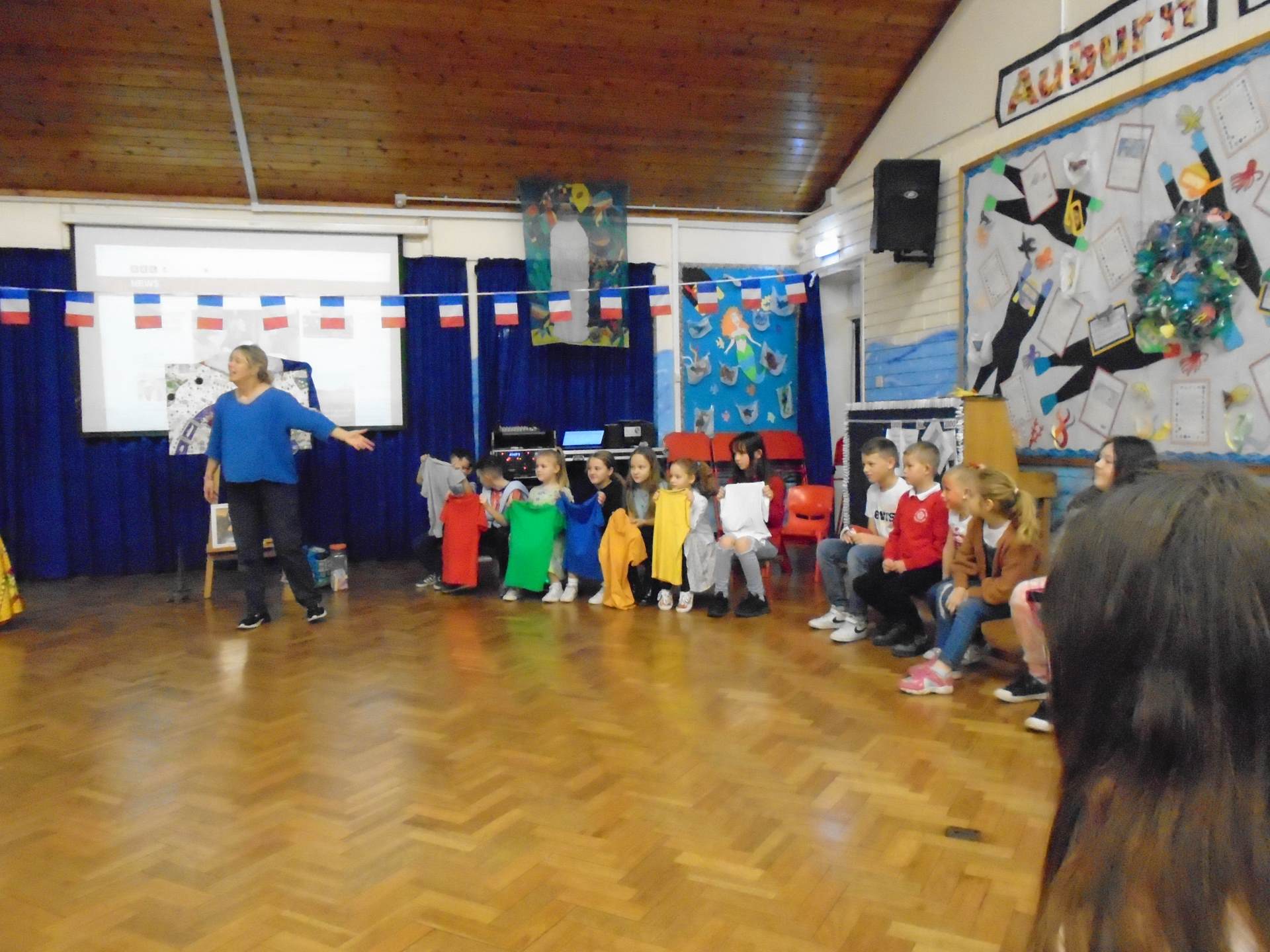
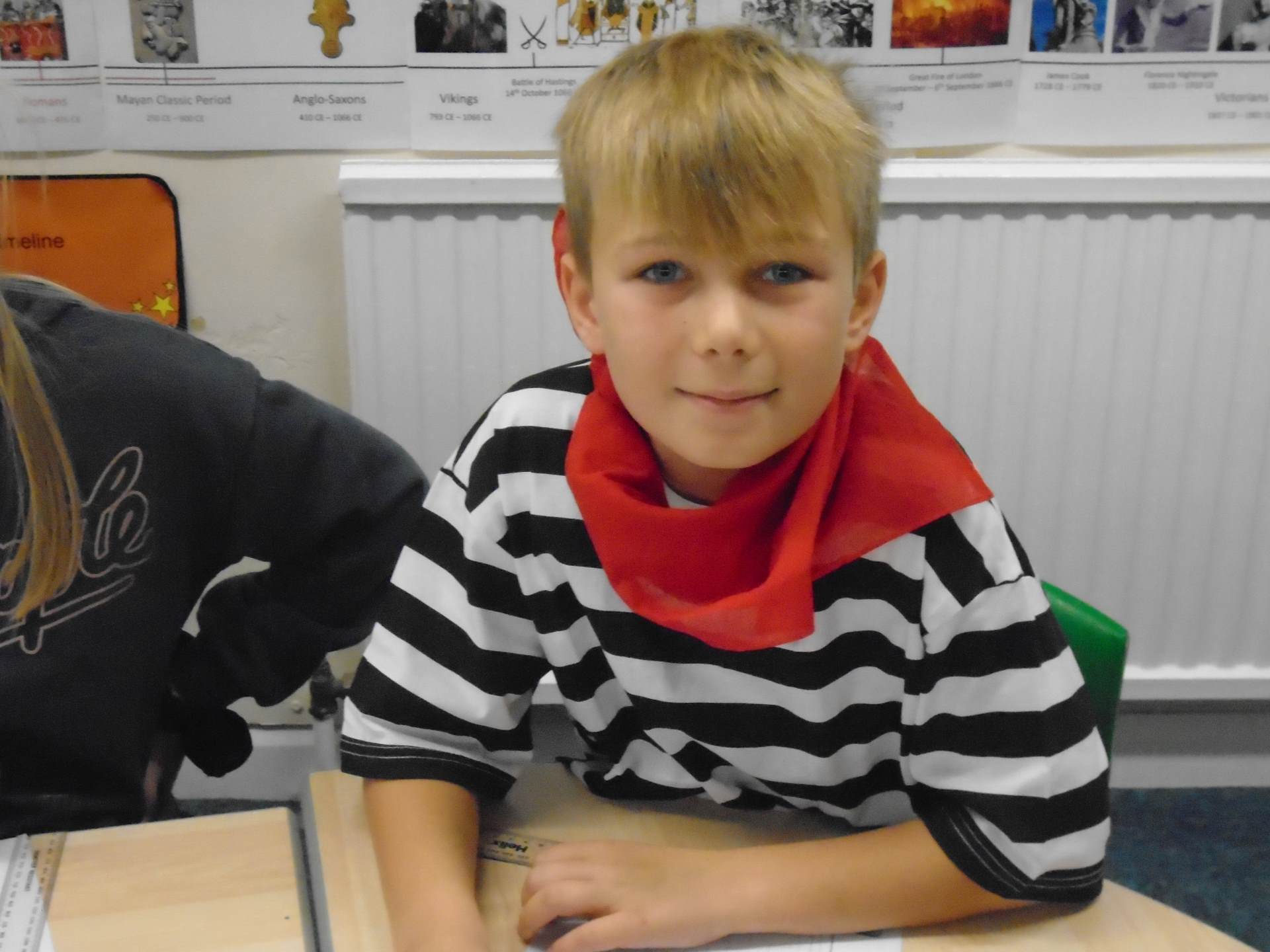
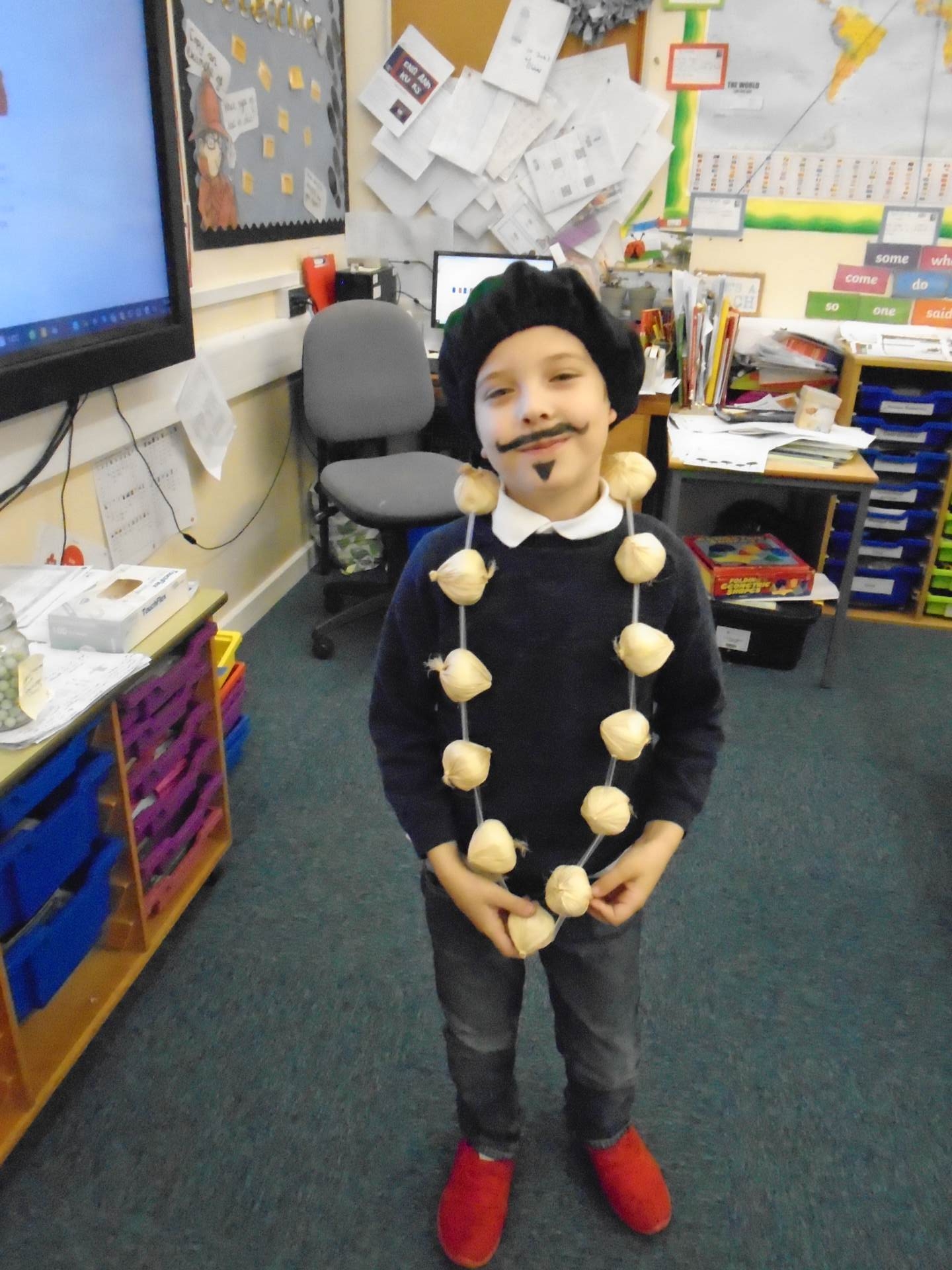
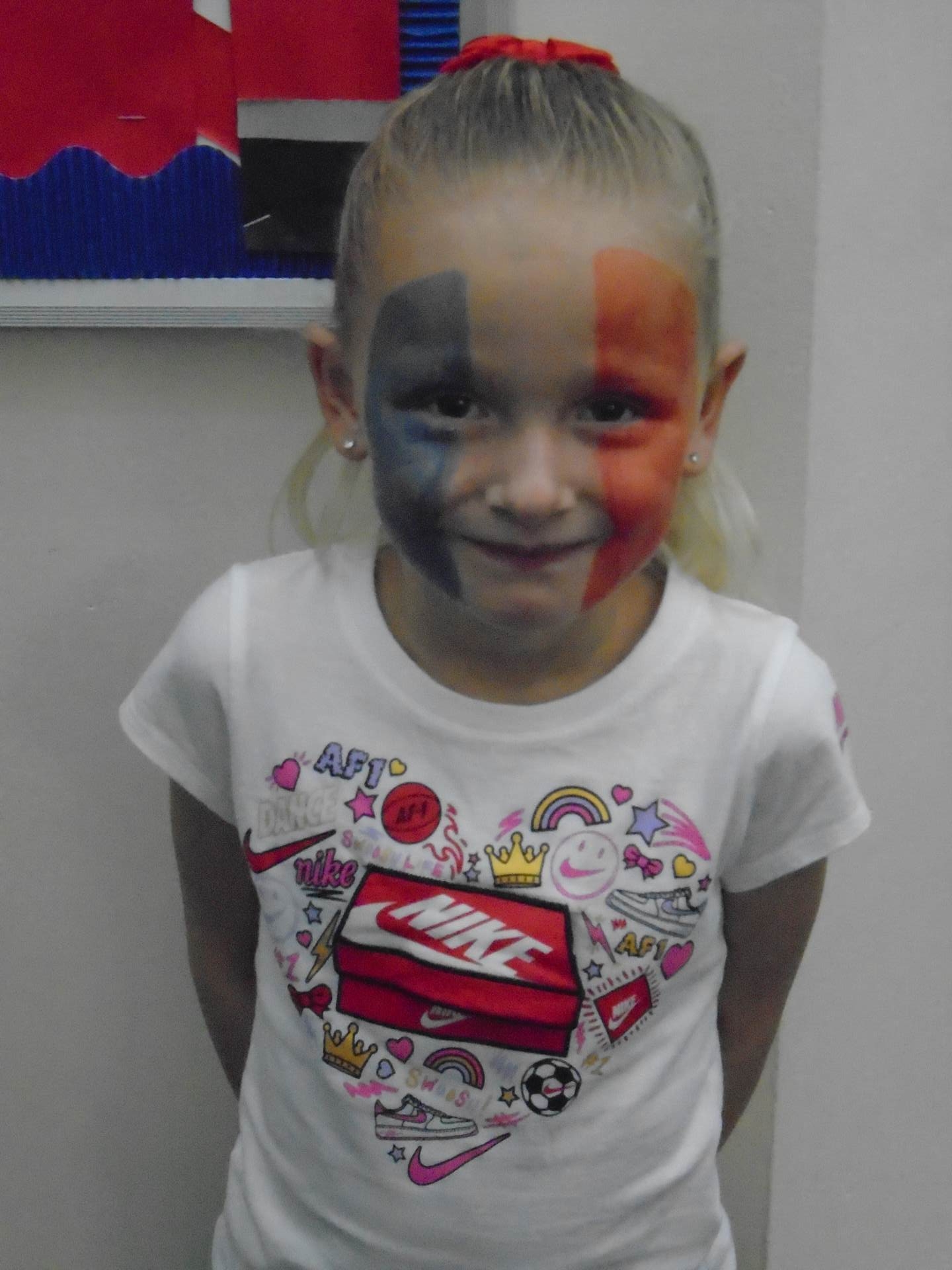
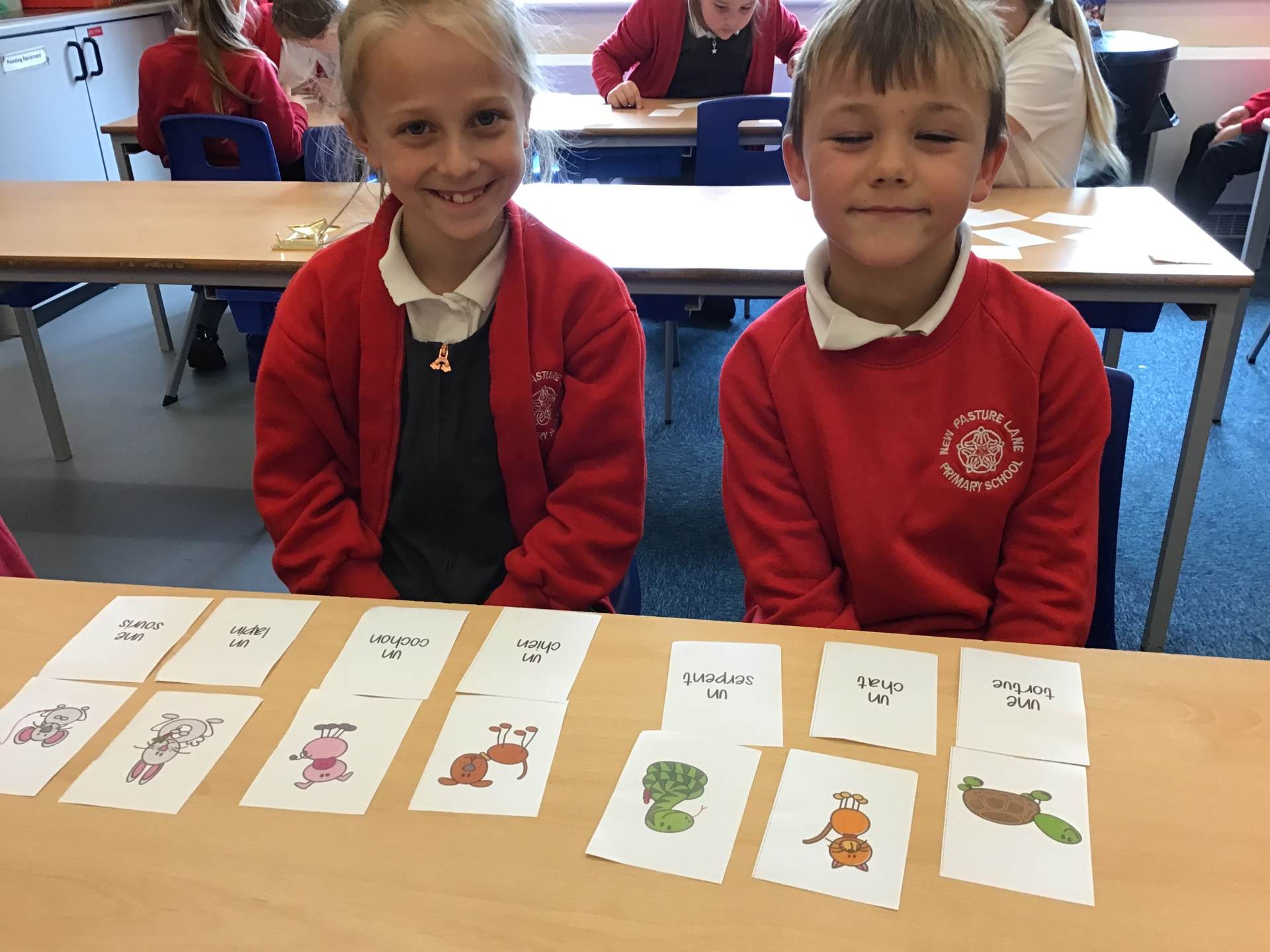
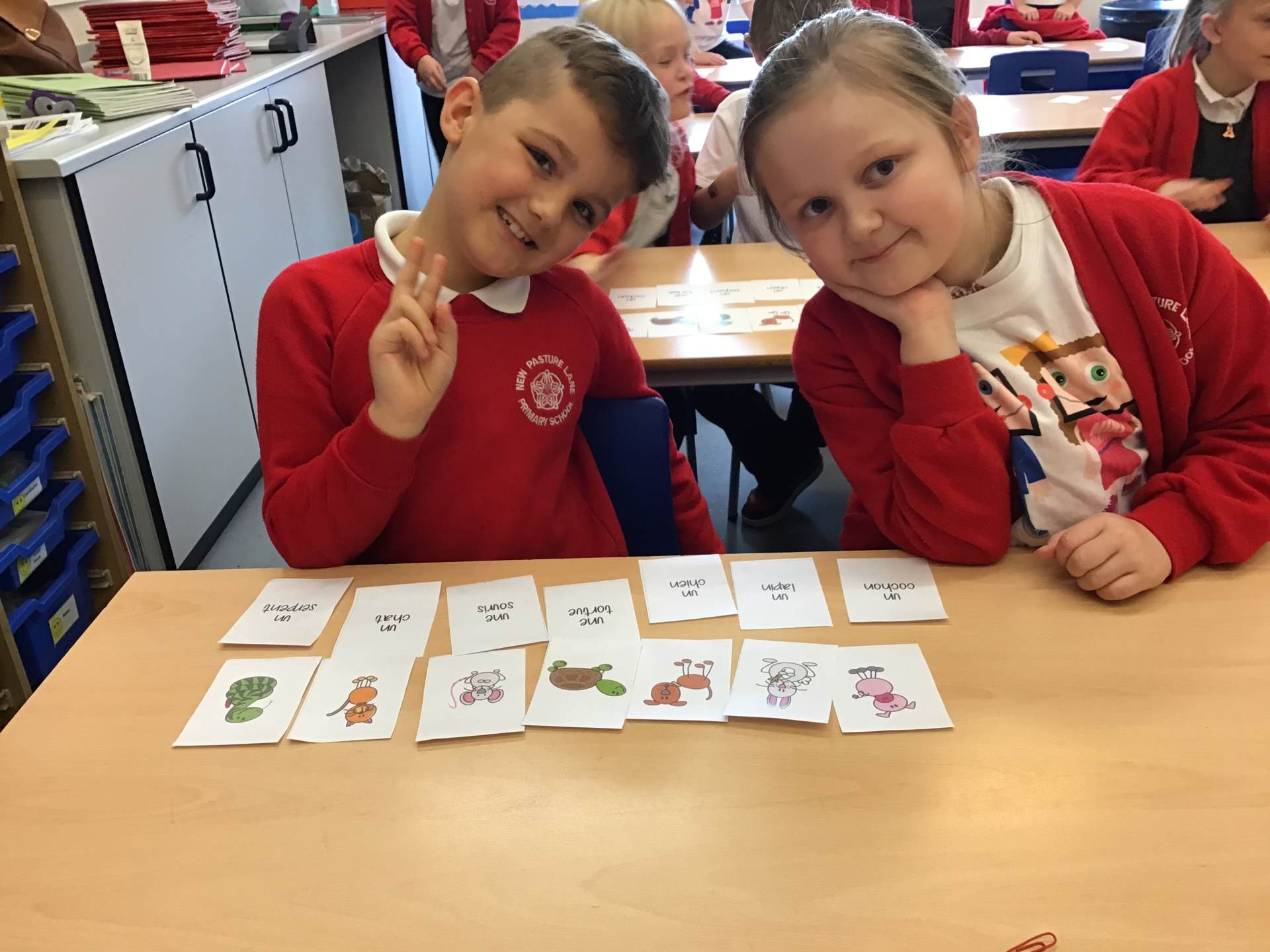
To progress in their language learning, children are given opportunities to reuse, in an increasing range of contexts, the skills, vocabulary, structures and grammar they have learnt. French Day is an annual whole school event where every child belonging to a specific House group participates in activities to promote their language skills.
Impact
Where appropriate, work completed by the children is recorded in their French books which can be passed through the years and become a portfolio of their learning. Teachers can also upload scans of pupil written work along with audio and video recordings of pupils speaking and presenting to a centralised secure file store on the school’s system.
The successful, collaborative approach to the teaching of MFL results in an ambitious, engaging and high quality education that allows pupils to understand the world around them and encourages them to explore MFL further as they leave primary school.
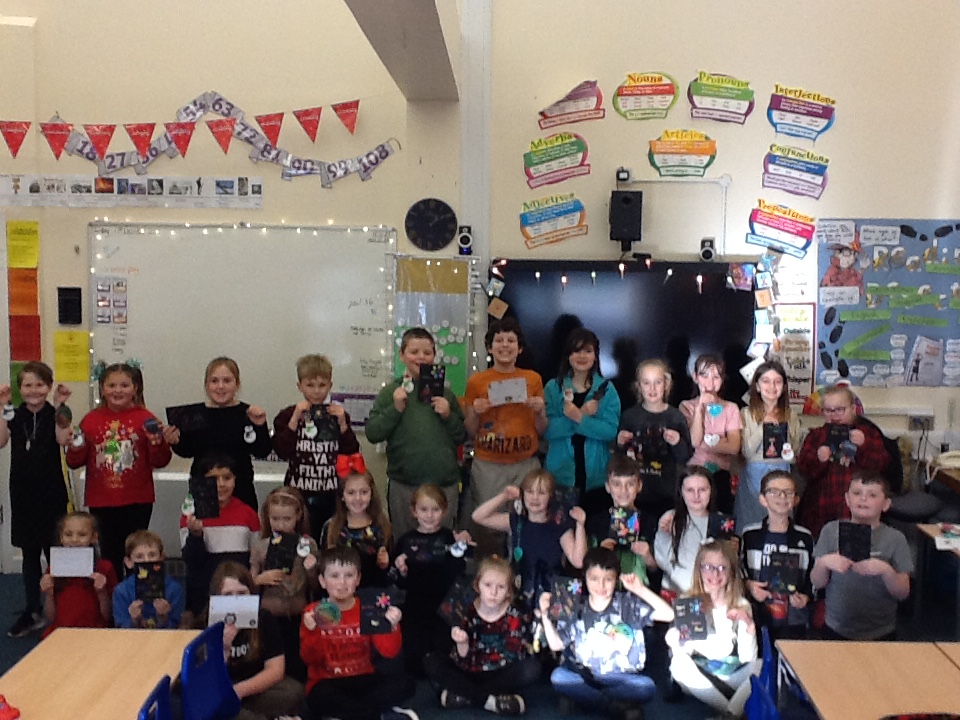
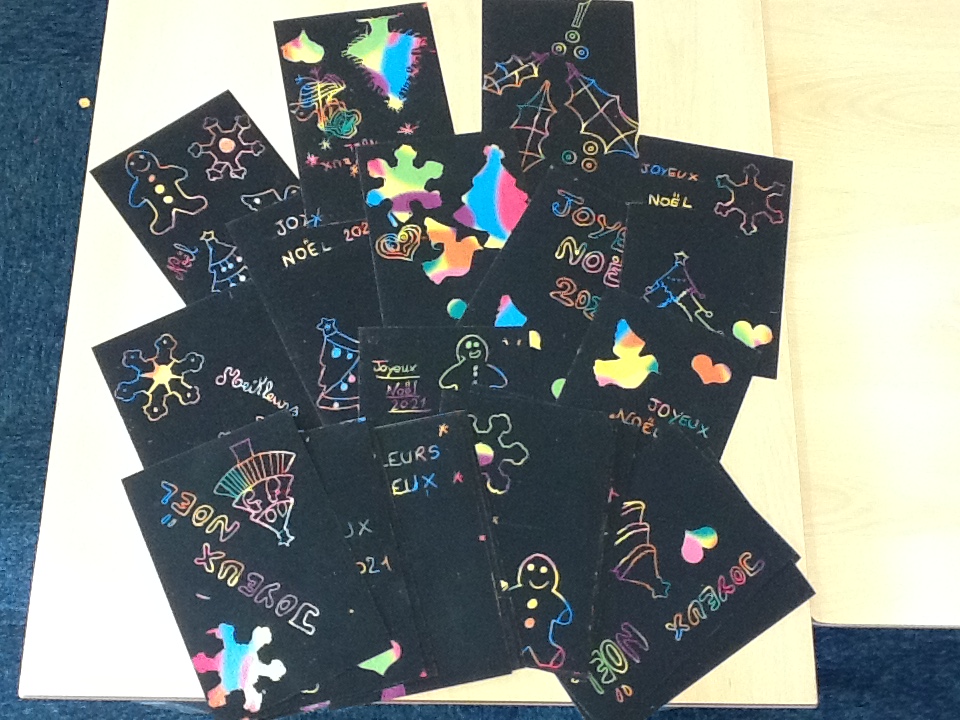
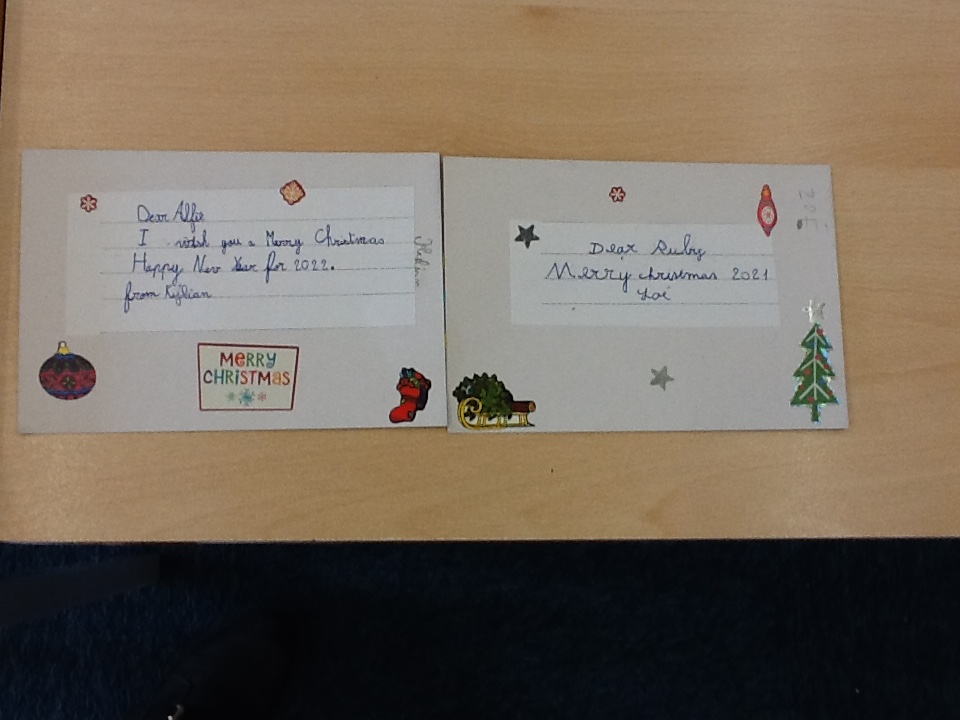
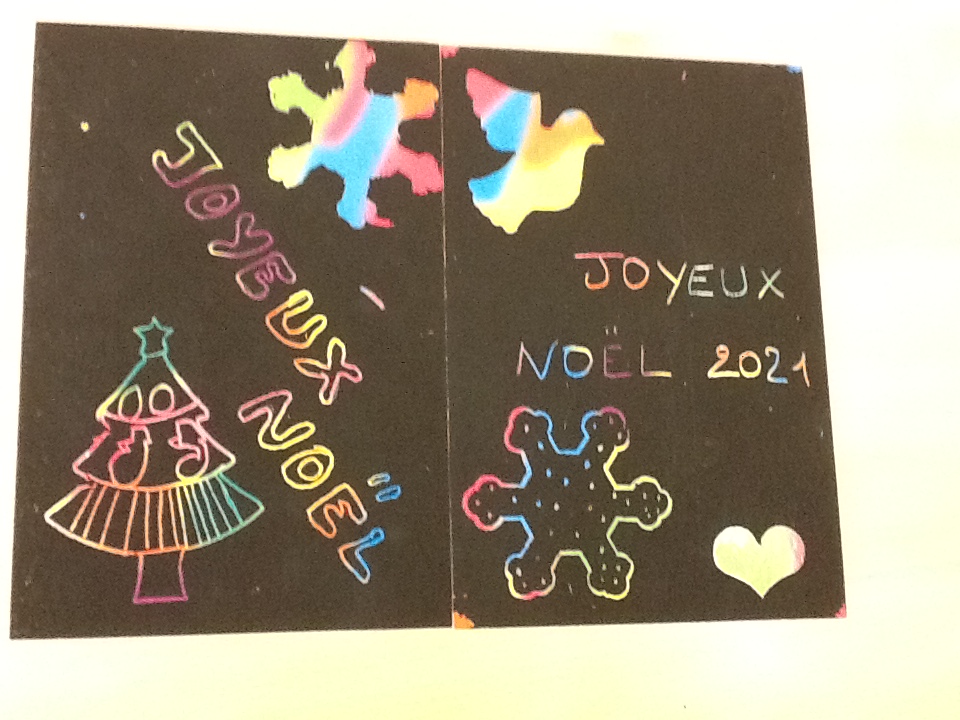
We have recently had the privilege of linking with Ecole Maternelle Marguerite Marie in Millau, Bridlington’s twin town. We are hopeful this link will continue and are enjoying swapping work and messages between class CE1-CE2 and our Year 4 class.
French Long Term Plan
y3 y6 primary sow overview french.pdf
Progressive objectives:
npl lanuages curriculum progressive objectives.pdf
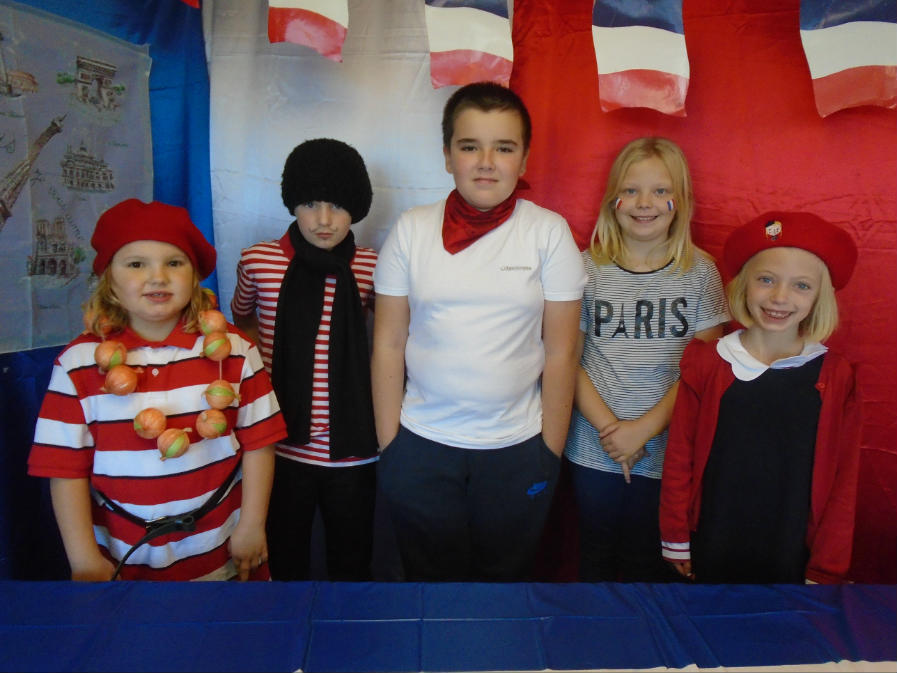
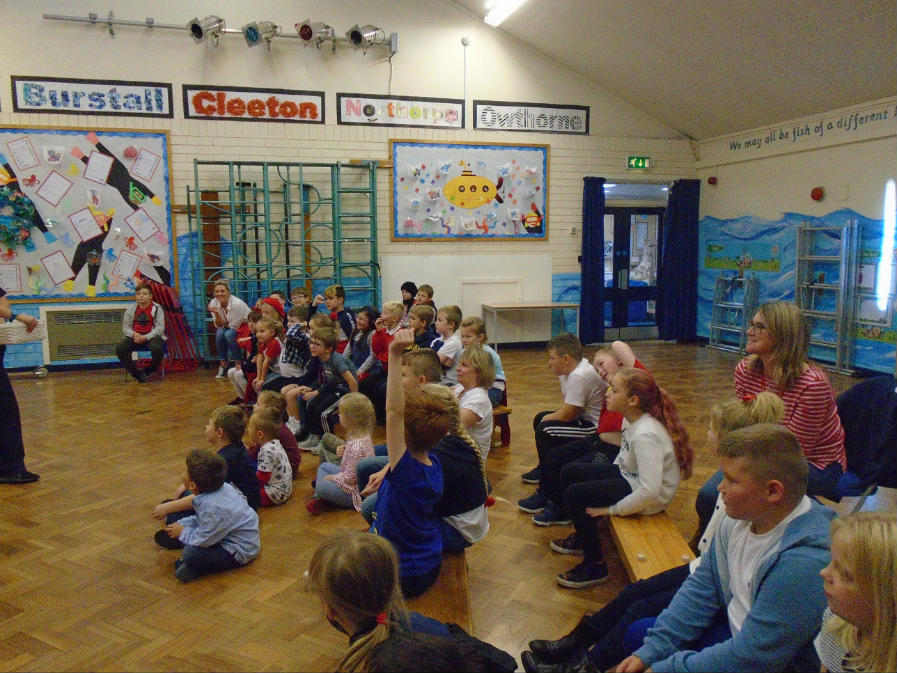
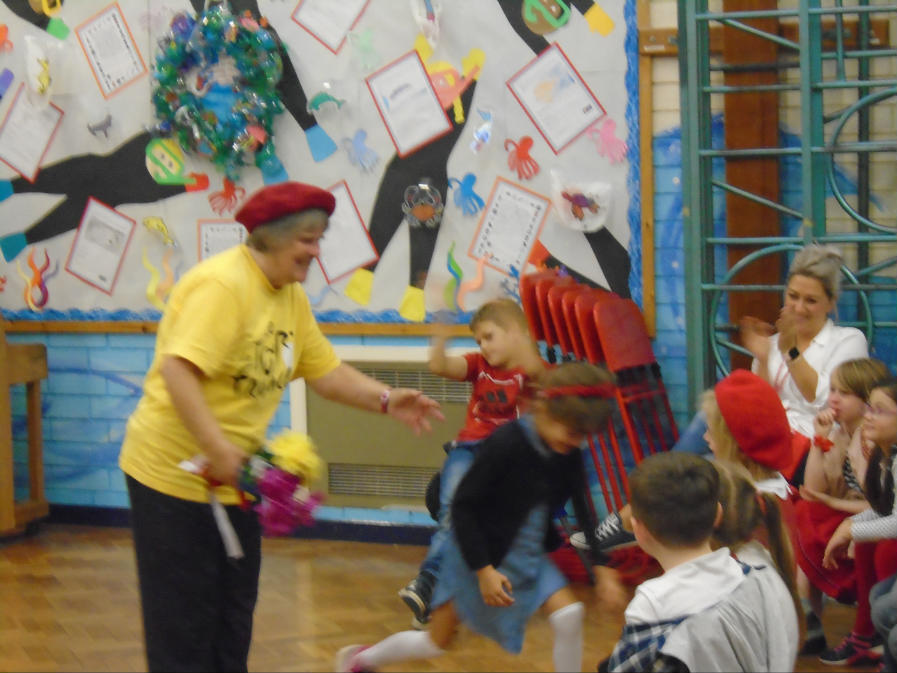
French Day 2019

.JPG)
.JPG)
.JPG)
.JPG)
.JPG)
.JPG)
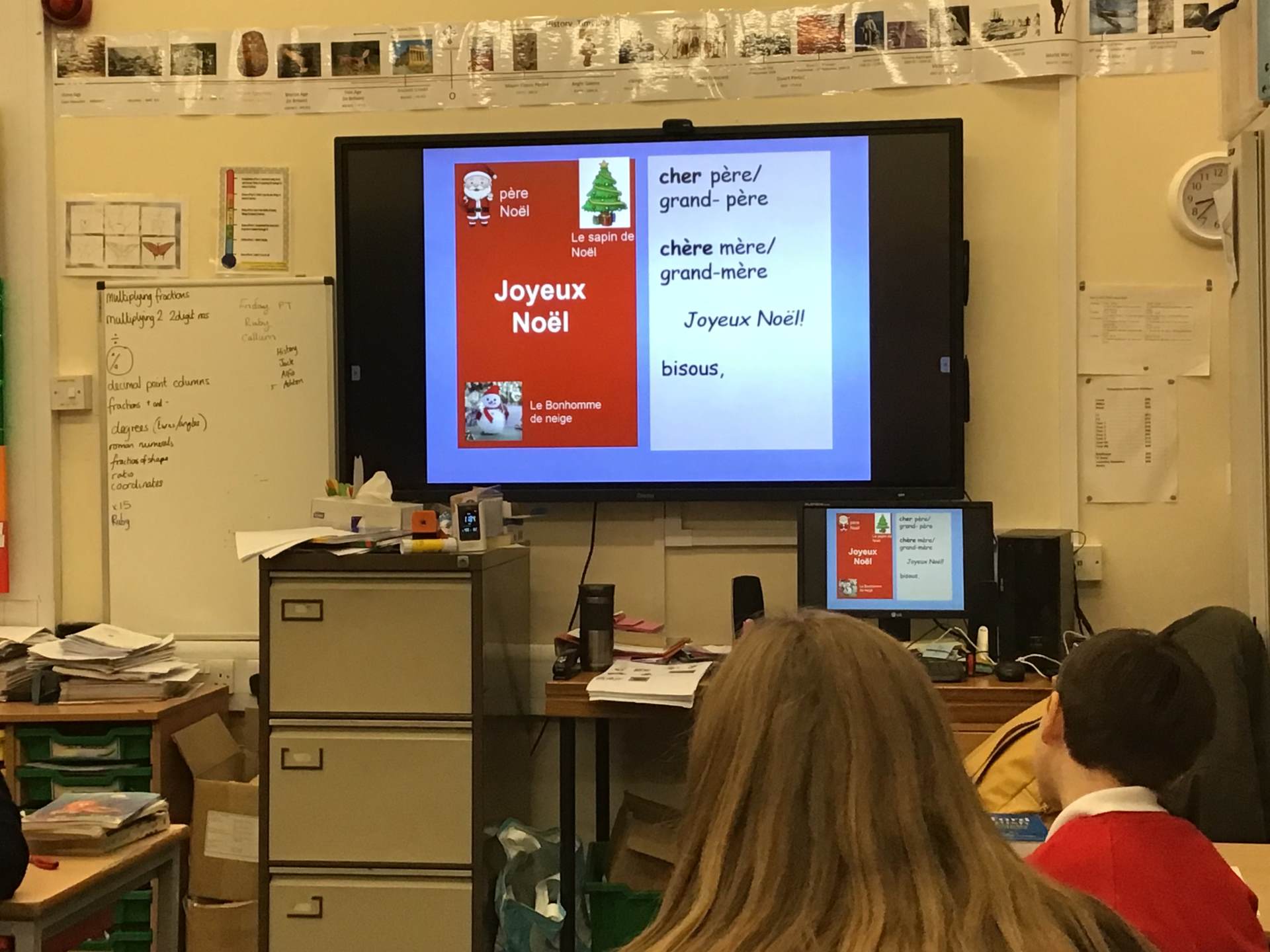
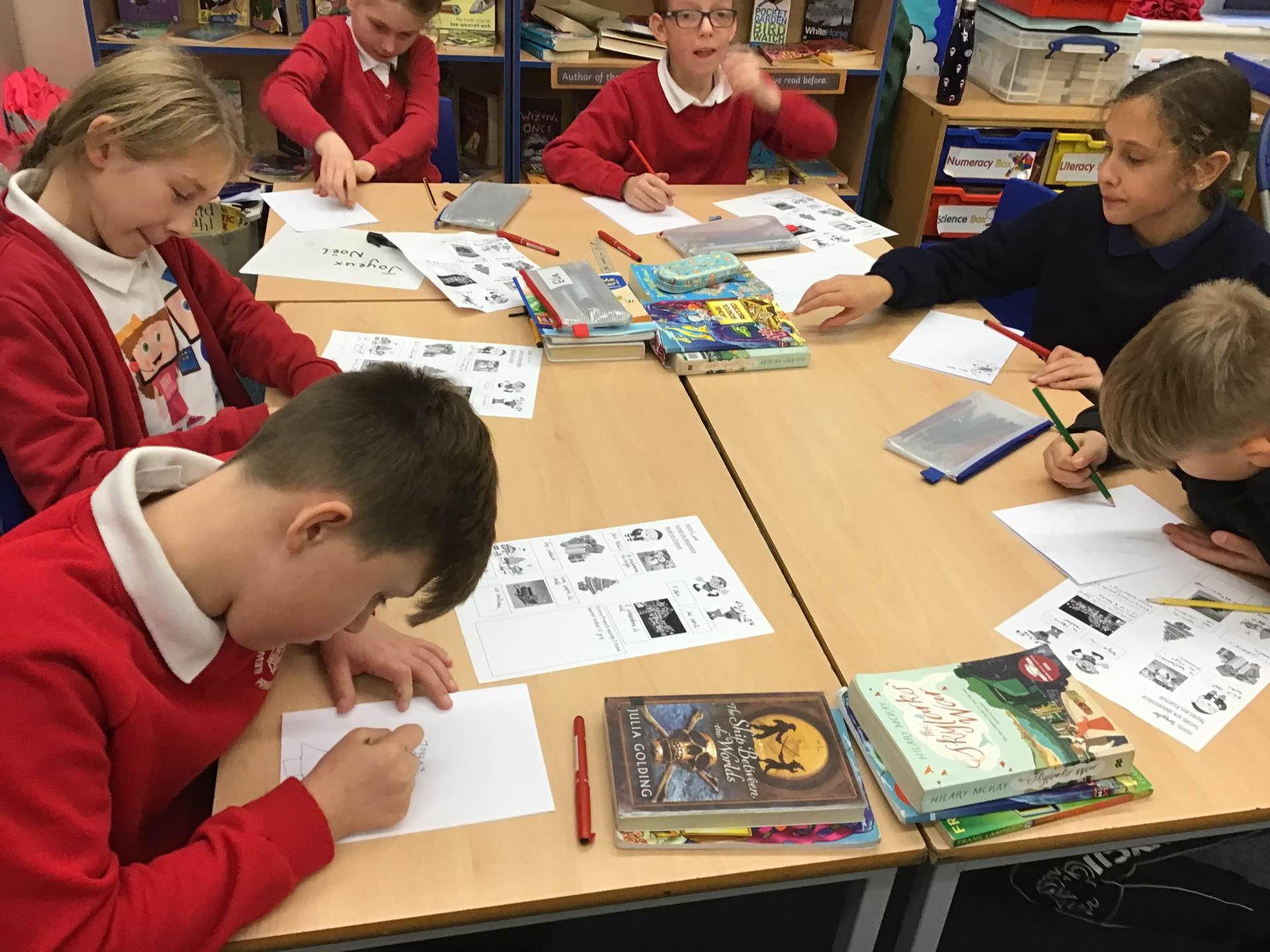
French Activities 2021/22
French


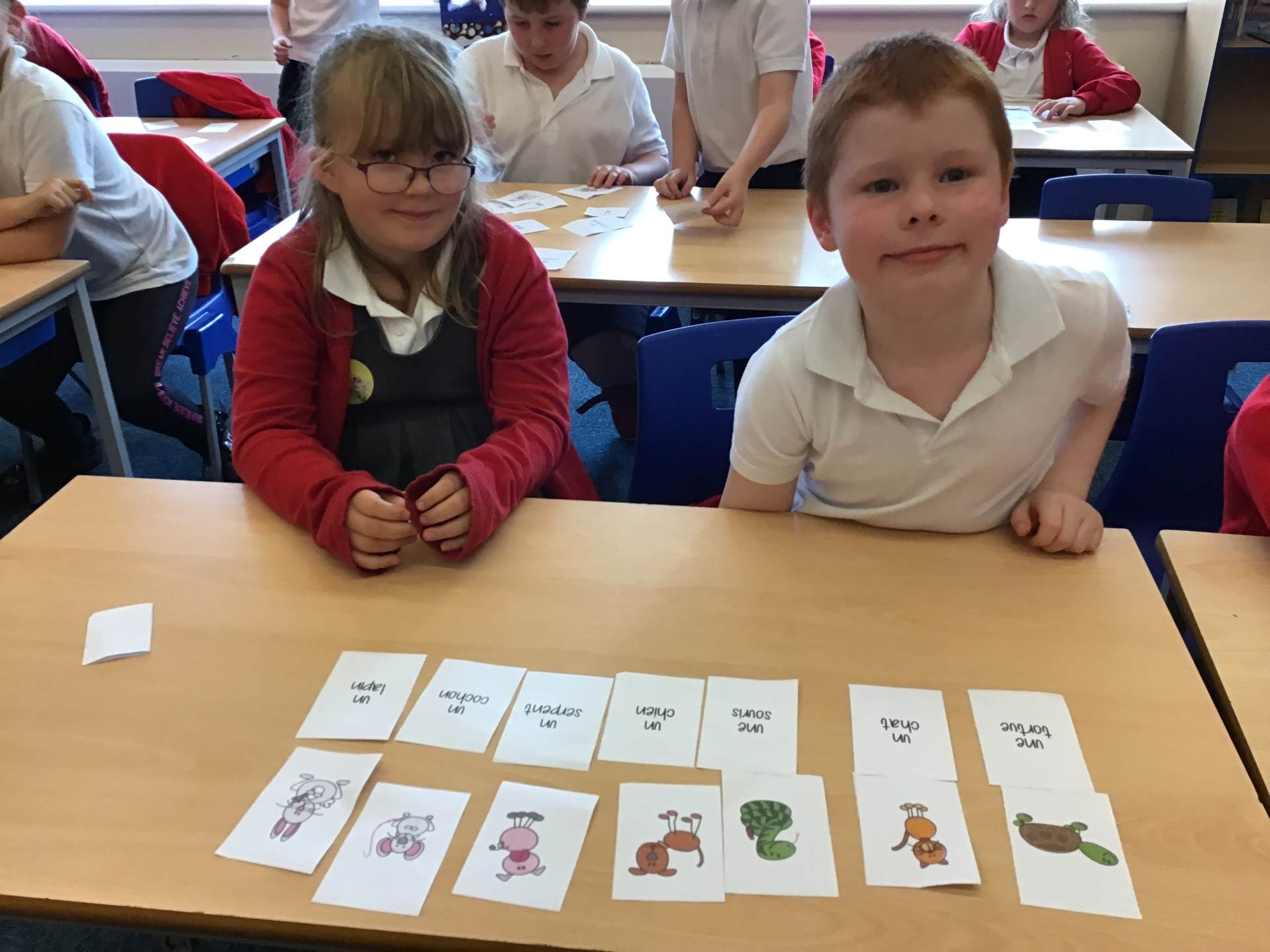
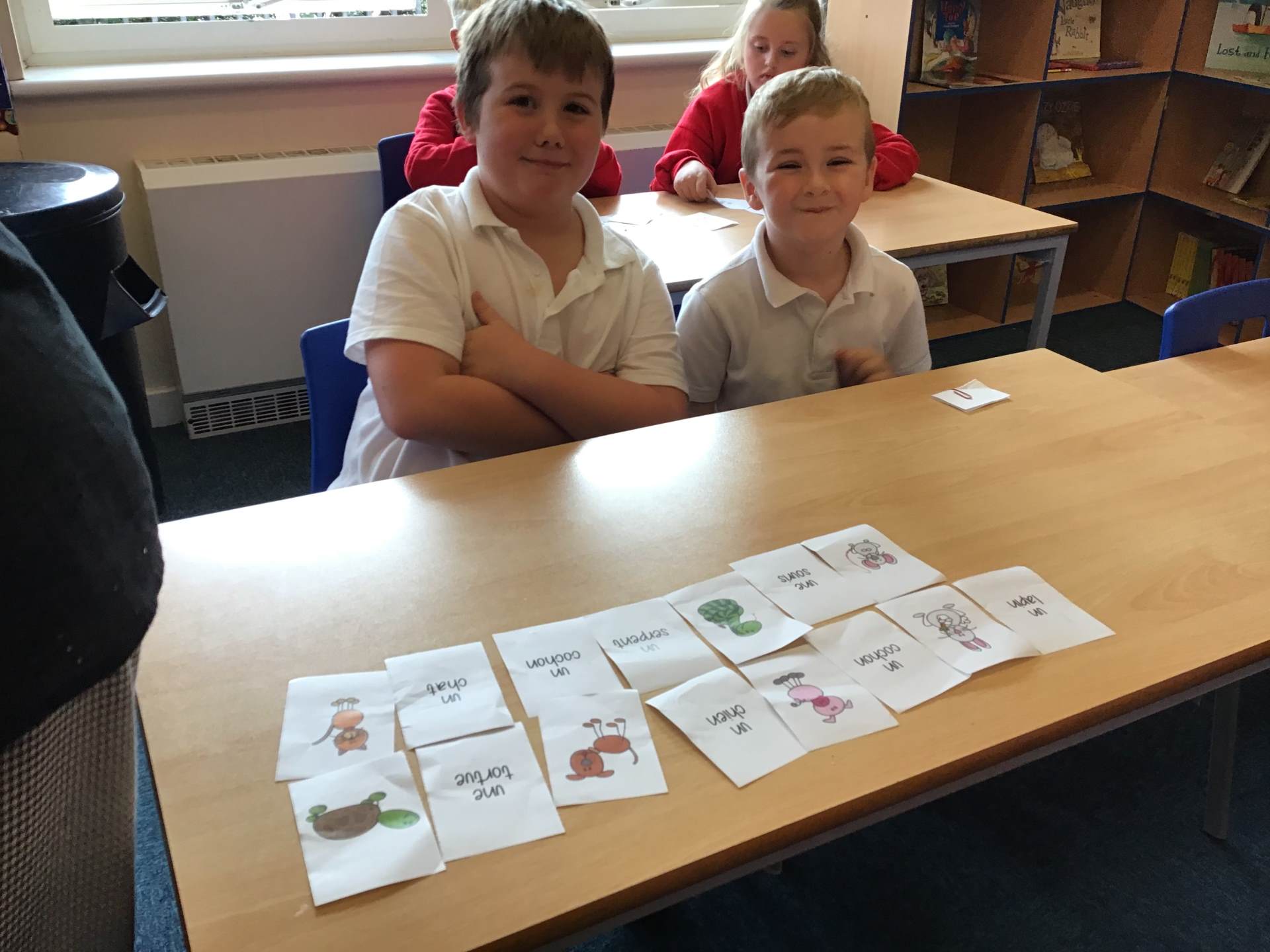
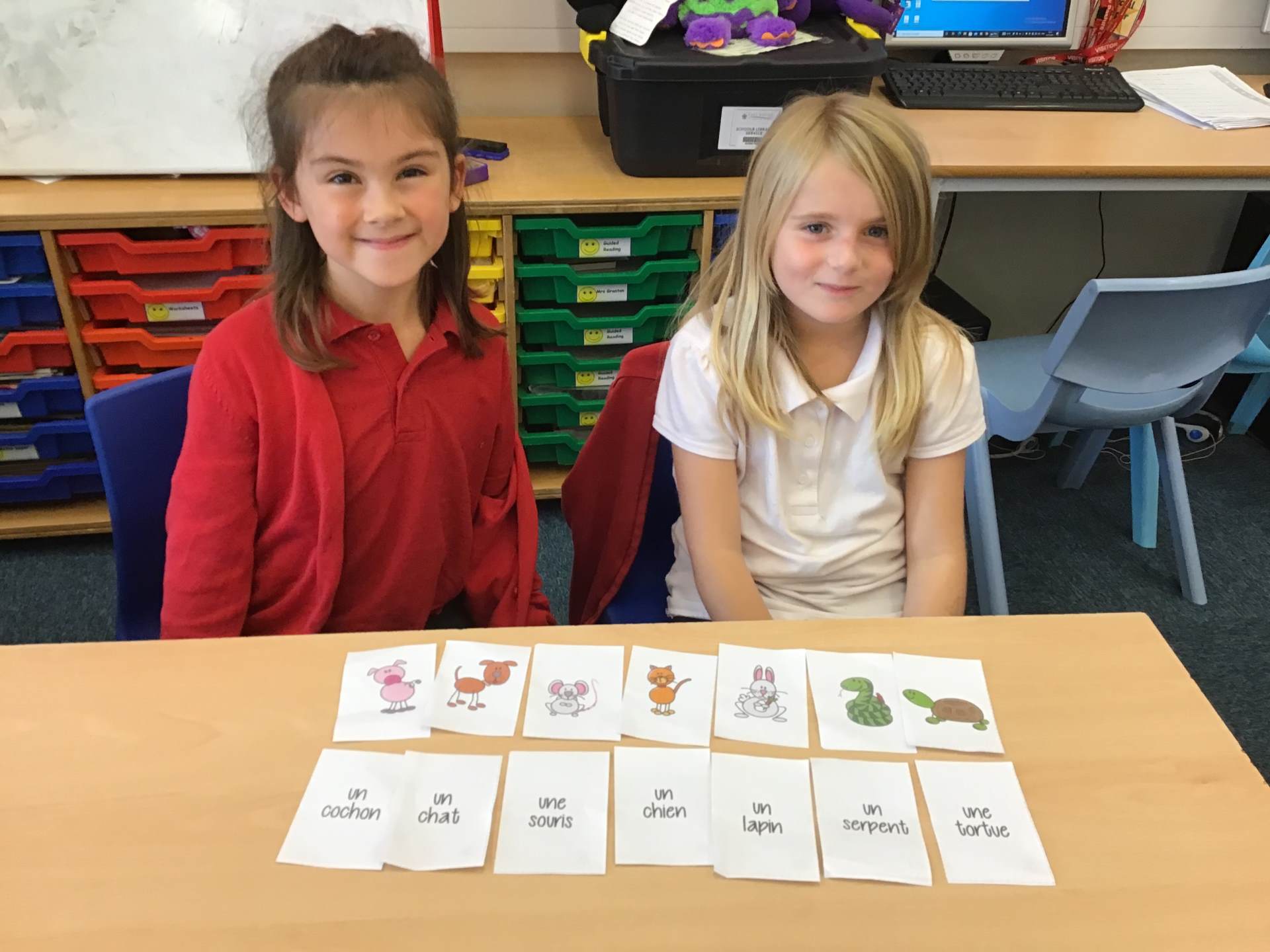
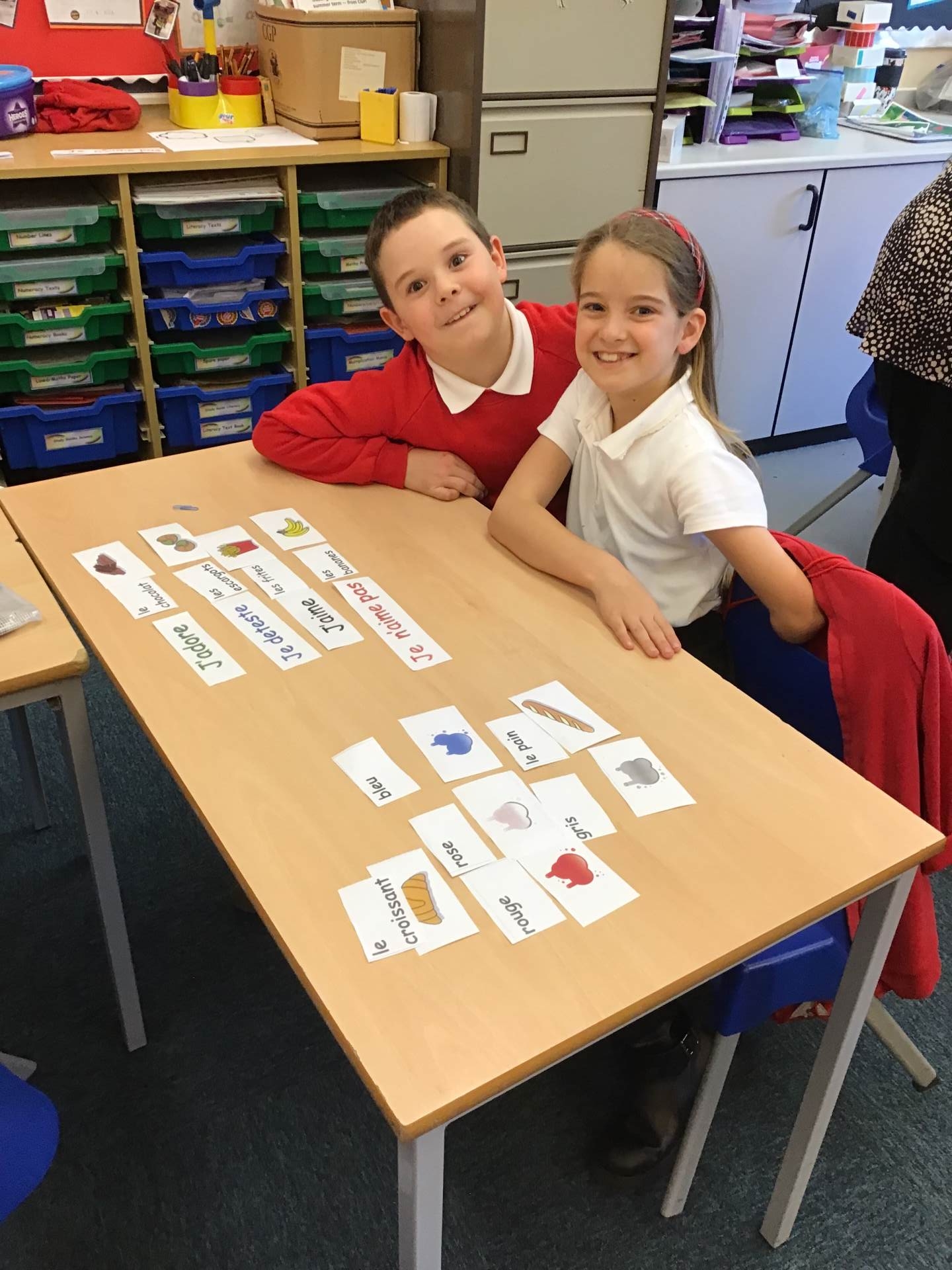
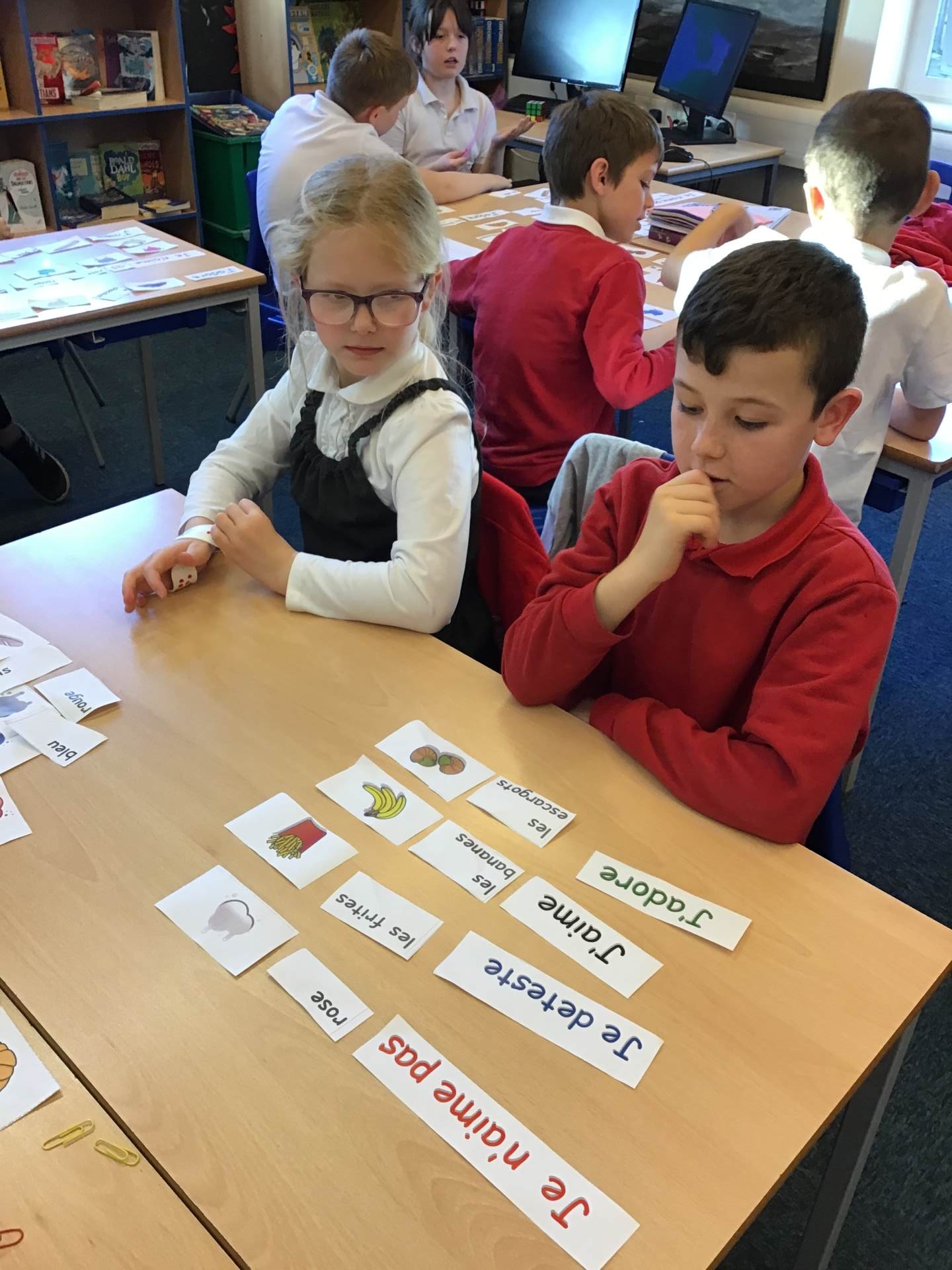
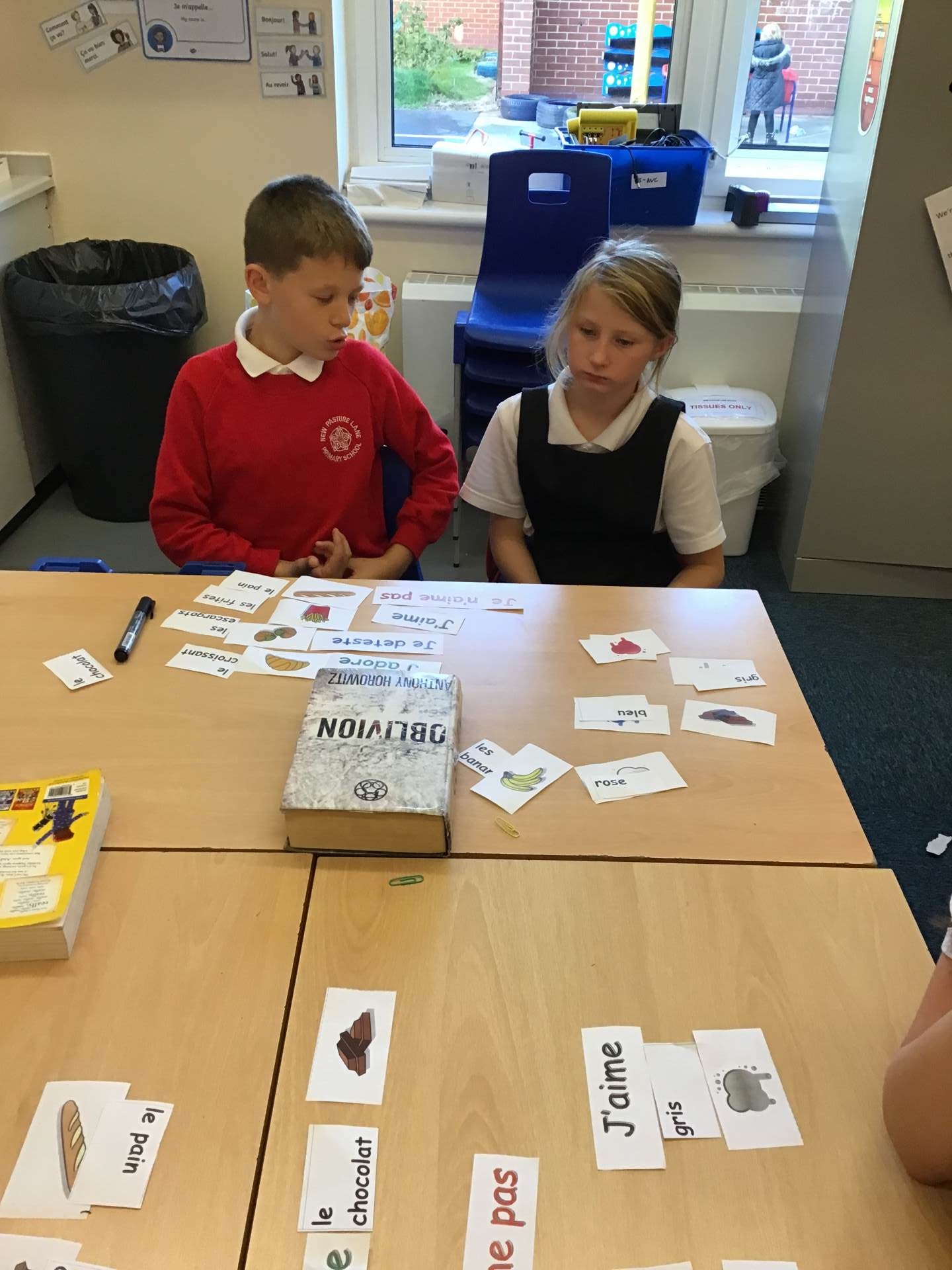

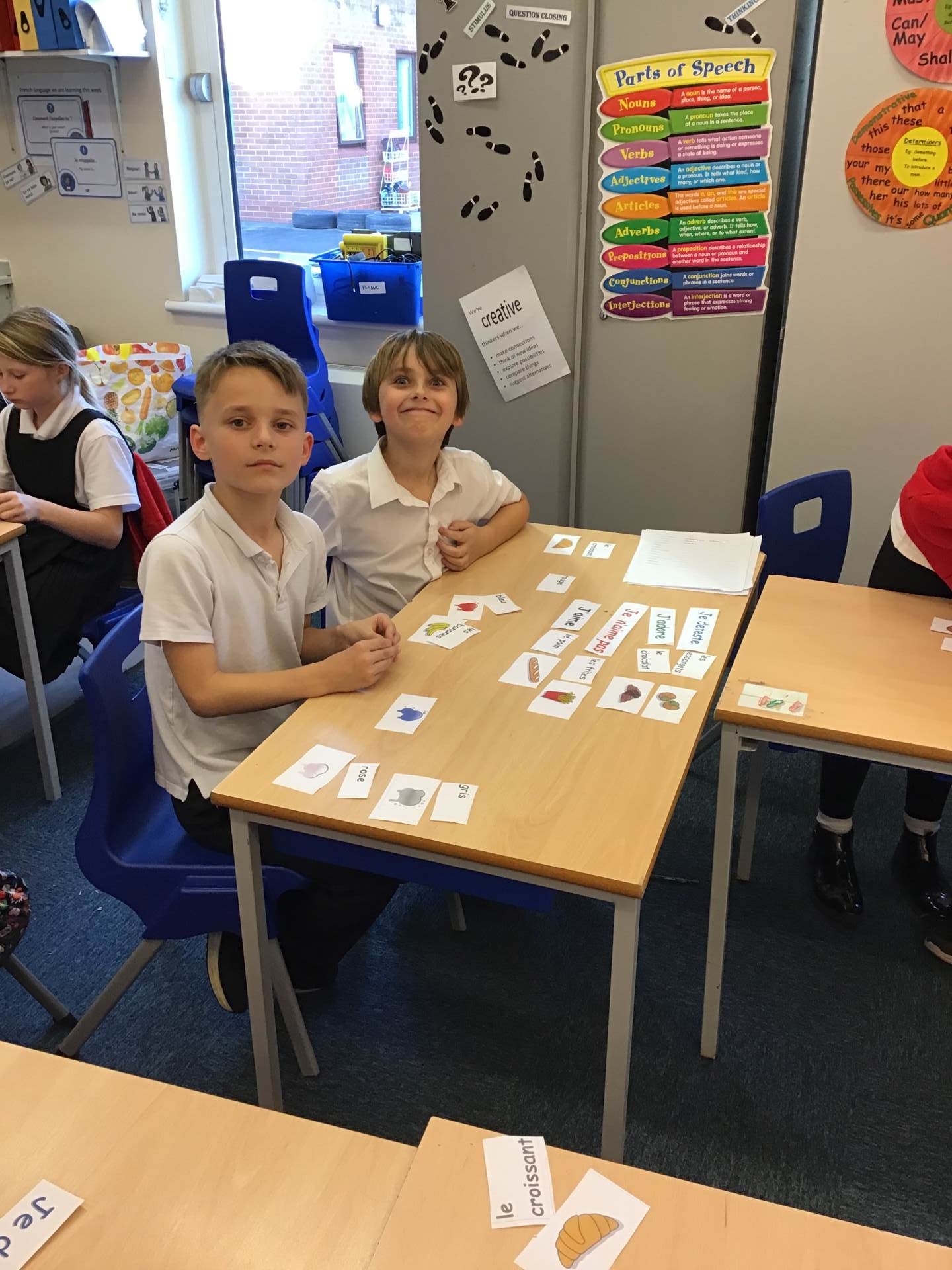

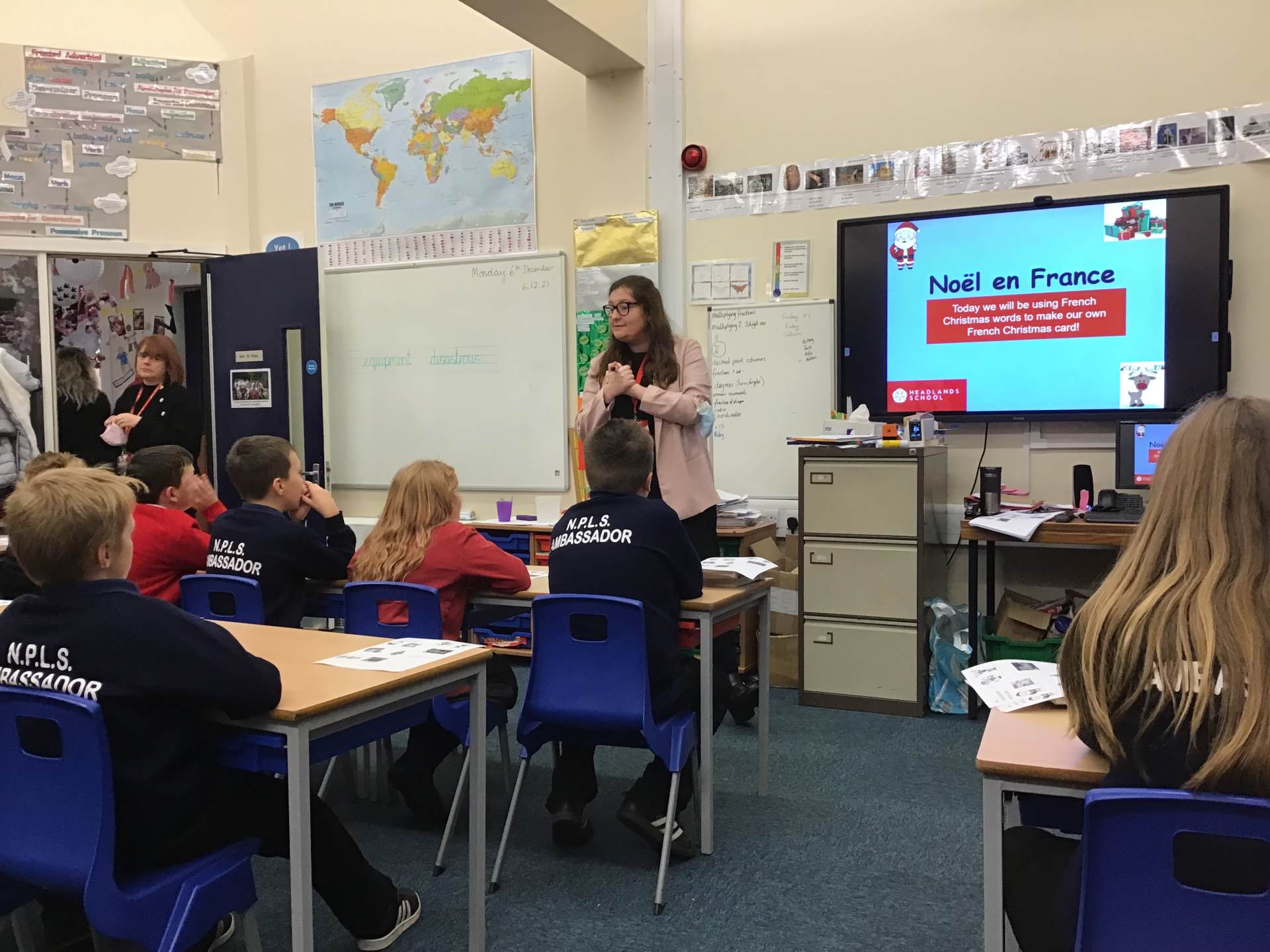
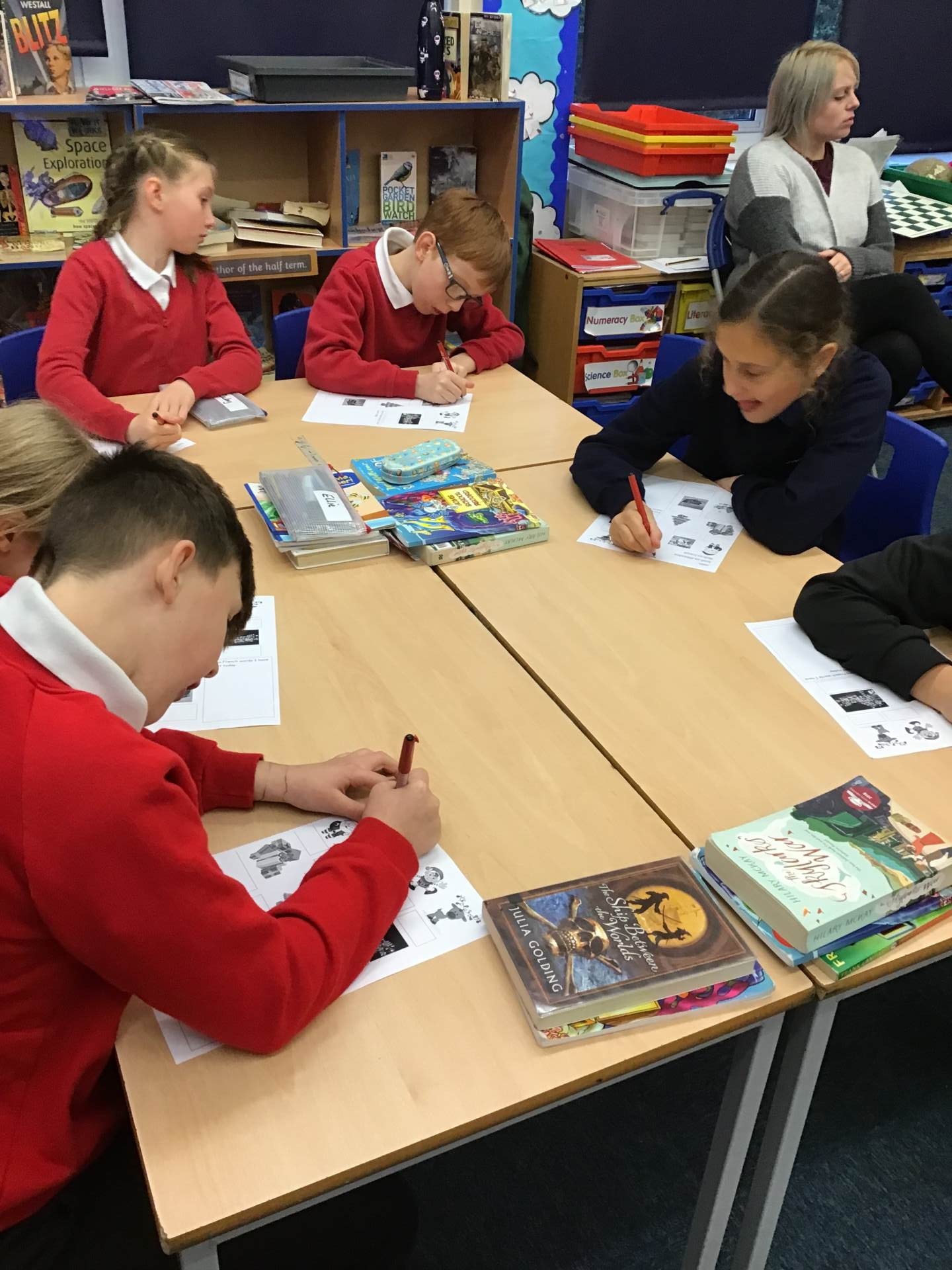
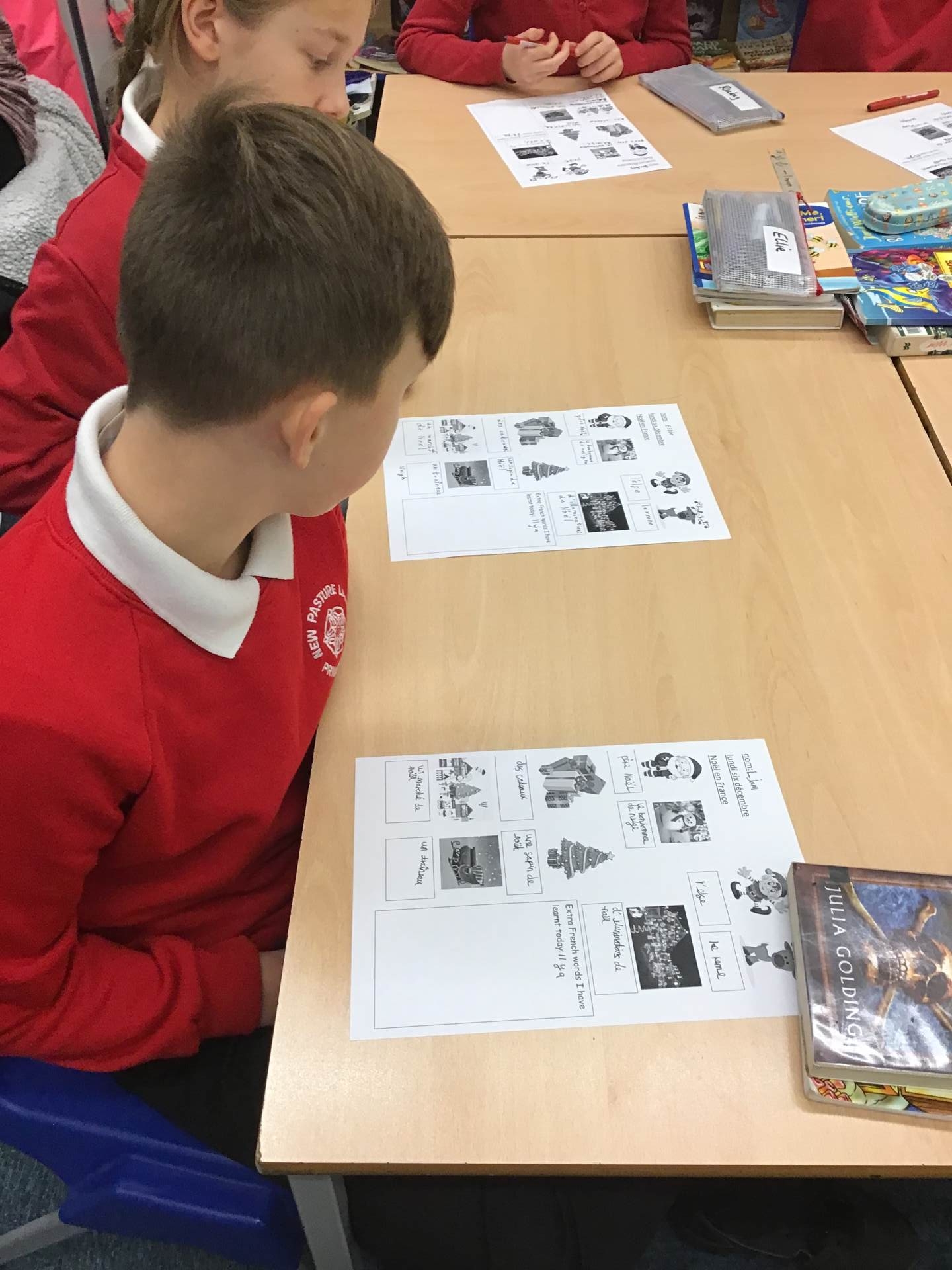
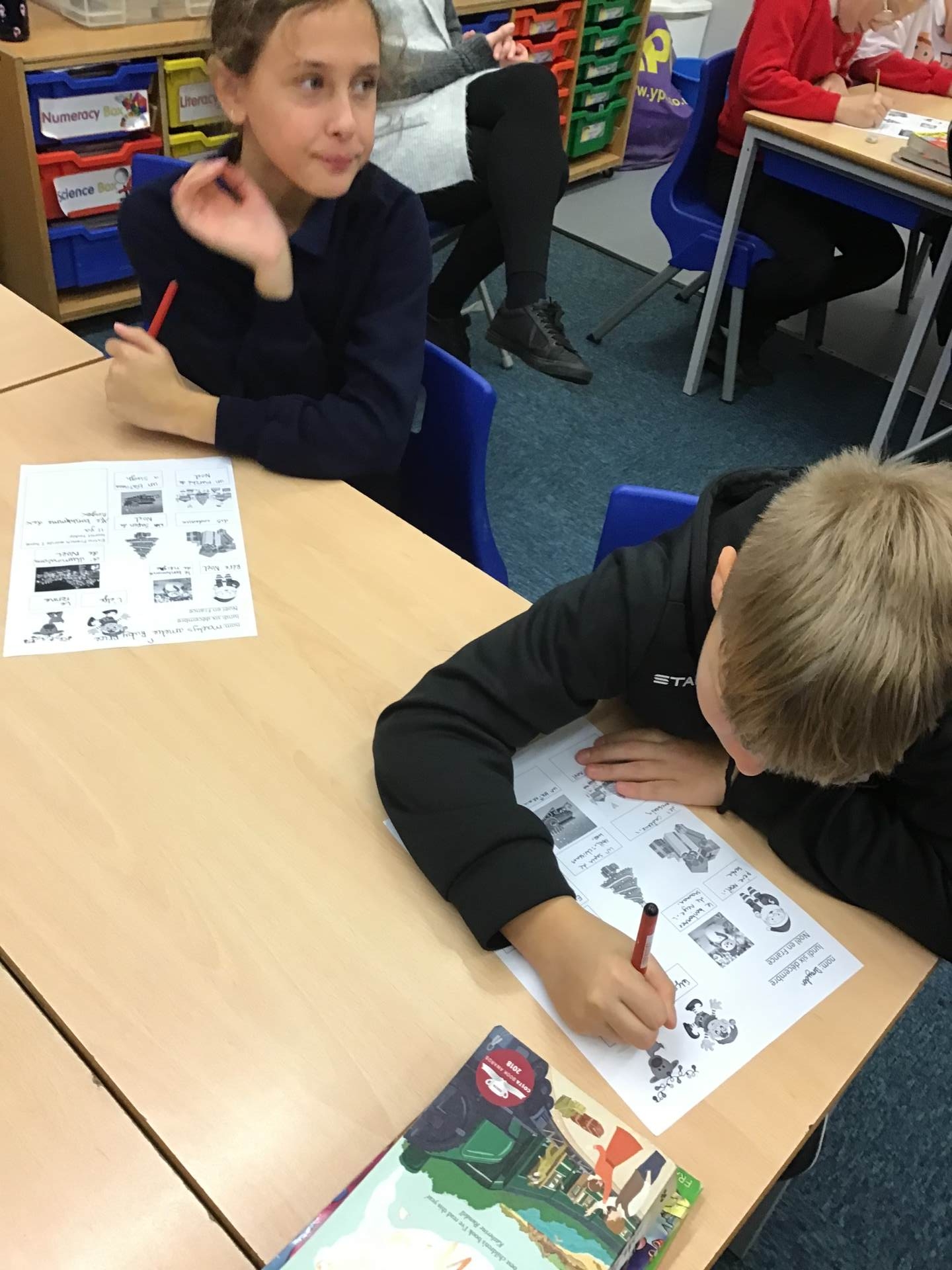

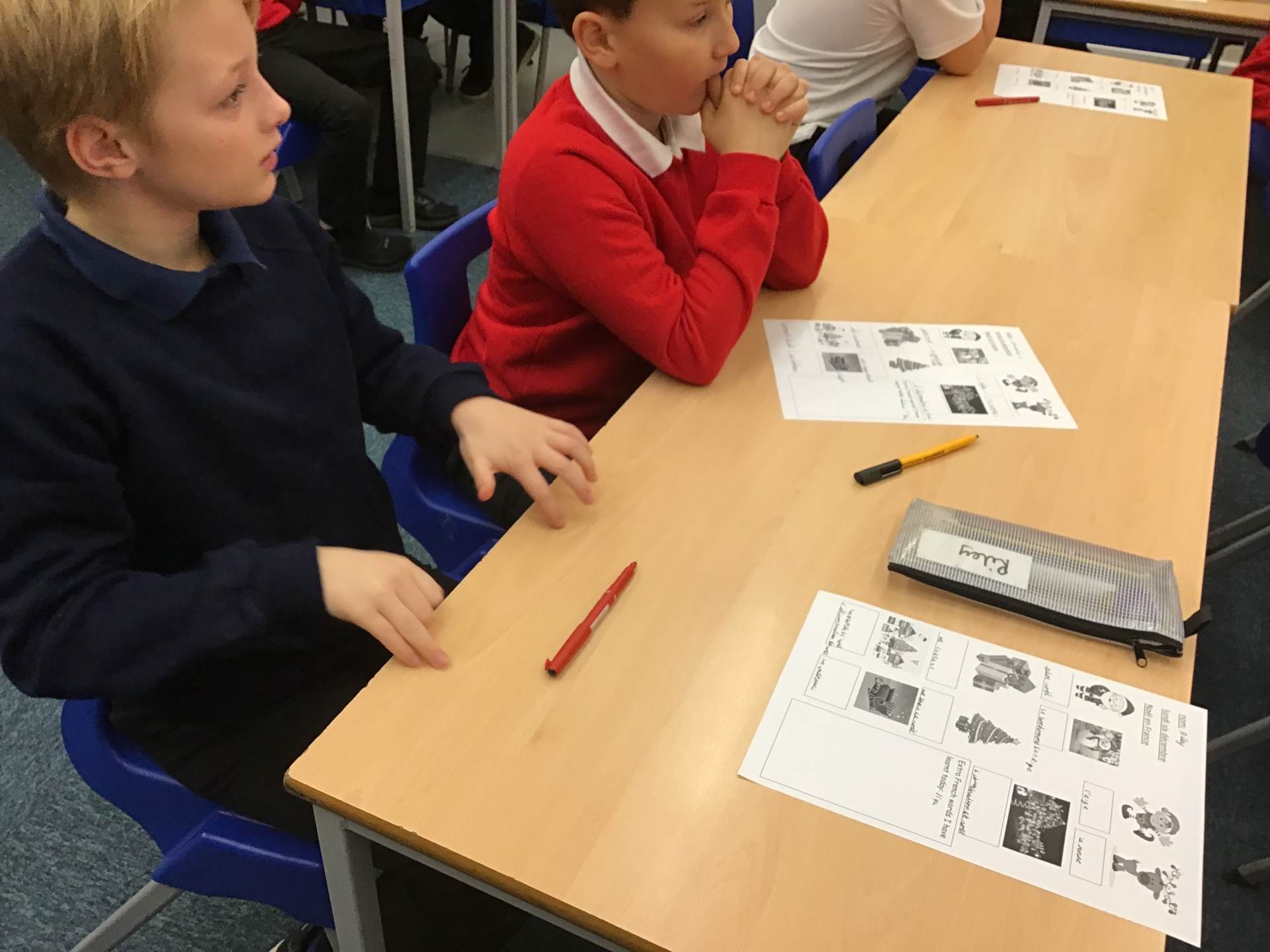


French Day 2022/23
French Day 2022/23